

Higher Interest Rates Increase the Need for Bridge Financing
Commentary · November 18, 2026
Commercial real estate developers typically have two ways to exit construction loans. They either sell or refinance. But higher interest rates are reducing borrowers’ ability to refinance, and potential buyers aren’t paying the same prices they might have a year ago. We are seeing more deals that need additional time to stabilize and improve NOI.
We believe this environment also creates a meaningful need for bridge financing. Borrowers who expected to refinance with low-rate, long-term debt are finding that loan proceeds fall short or their properties need more time to qualify. For sound projects, additional time to complete improvements, lease space, or establish operating history is key. At Freedom, we are seeing an increased demand for bridge financing. In Q3, we originated three new bridge loans, and our bridge program is the largest it’s been in several years.
Freedom is active in the bridge lending market across our Western U.S. footprint. We look for experienced sponsors, realistic leverage, and a clear path to repayment supported by the property’s performance. A bridge loan should give a borrower time to execute a plan that works at today’s rates. If you or a client have an upcoming maturity and need additional time, we welcome the opportunity to review.
Financing Costs in Historical Context
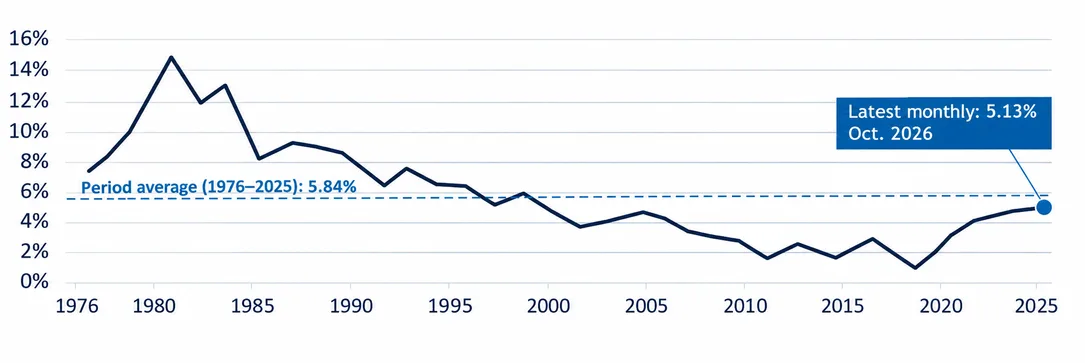
A benchmark for long-term financing – not a commercial loan quote. Actual CRE borrowing costs include lender spread and fees; floating-rate bridge loans often reference SOFR.
Sources: Federal Reserve H.15 via FRED, fred.stlouisfed.org/series/GS10 and /series/DGS10; Freedom Financial Funds Q3 Investor Letter.
More news.
All news →-
August 19, 2024
Celebrating 40 Years of CREW-LA: Honoring Minda Johnstone and Our Visionary Leaders
-
February 8, 2024
Q4 in Review: Strategic Reflections and Future Directions
-
July 25, 2023
Stepping Towards a Breast Cancer-Free Future: Minda Johnstone’s Inspiring 3-Day Journey